Why Sloths Slow
Posted : admin On 4/10/2022There is a reason why sloths are synonymous with being slow. A sloth is believed to move only 40 yards (36.5 meters) per day. Their slowness is attributed to their low metabolic rate and their. Sloths spend most of their time eating, resting, or sleeping; in fact, they descend from their treetops canopies just once a week, for a bathroom break. How are these creatures so low energy? Kenny Coogan describes the physical and behavioral adaptations that allow sloths to be so slow. Like pacing your car when it's low on gas, sloths move slowly to conserve energy as well. In fact, they move slower than any other mammal on Earth. The arboreal animals are known for taking their sweet time getting around, usually trekking no farther than 125 feet (38 meters) in a day source: Cohn.
The new European data protection law requires us to inform you of the following before you use our website:
We use cookies and other technologies to customize your experience, perform analytics and deliver personalized advertising on our sites, apps and newsletters and across the Internet based on your interests. By clicking “I agree” below, you consent to the use by us and our third-party partners of cookies and data gathered from your use of our platforms. See our Privacy Policy and Third Party Partners to learn more about the use of data and your rights. You also agree to our Terms of Service.
These “couch potatoes” are smarter than you might think!
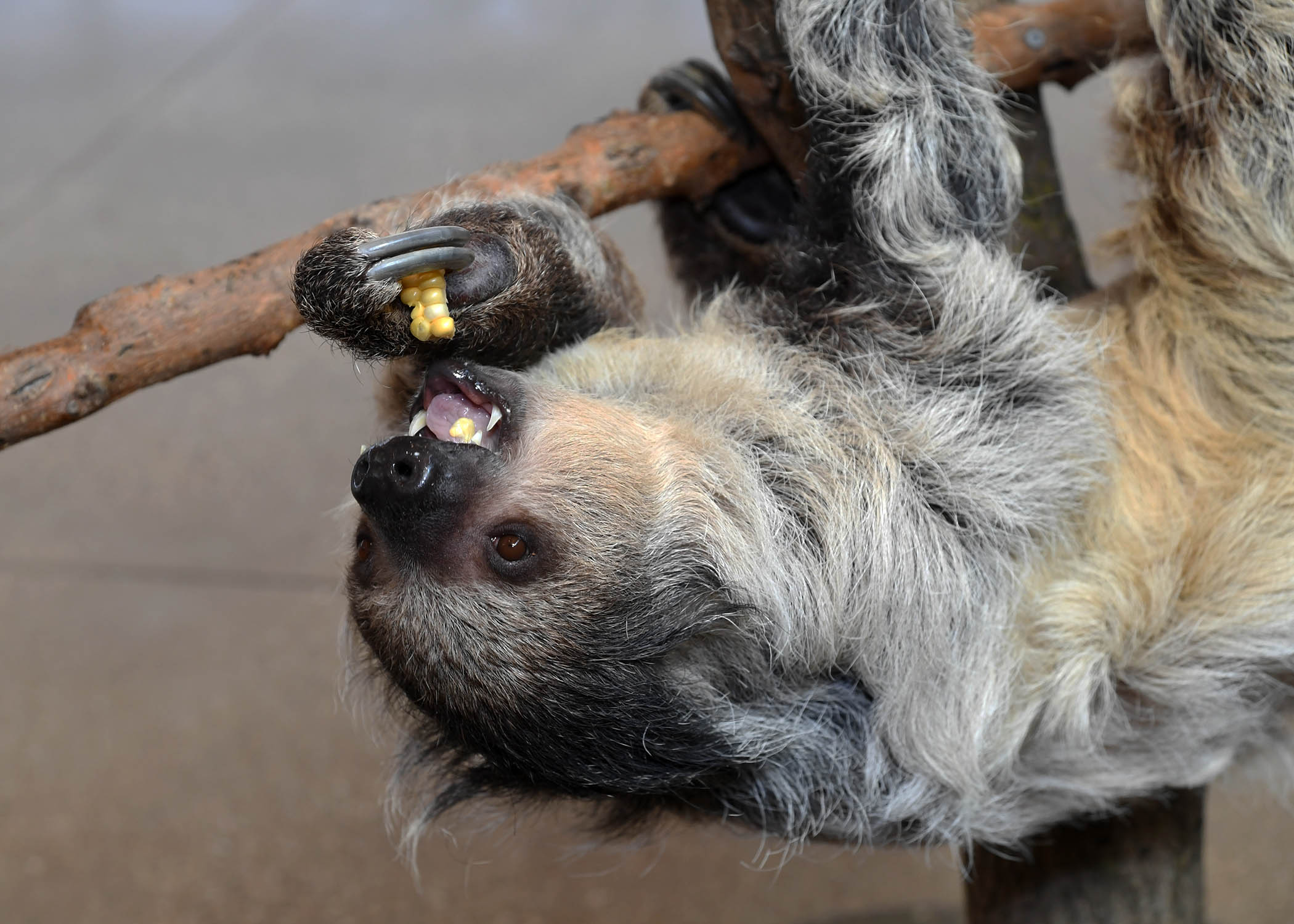
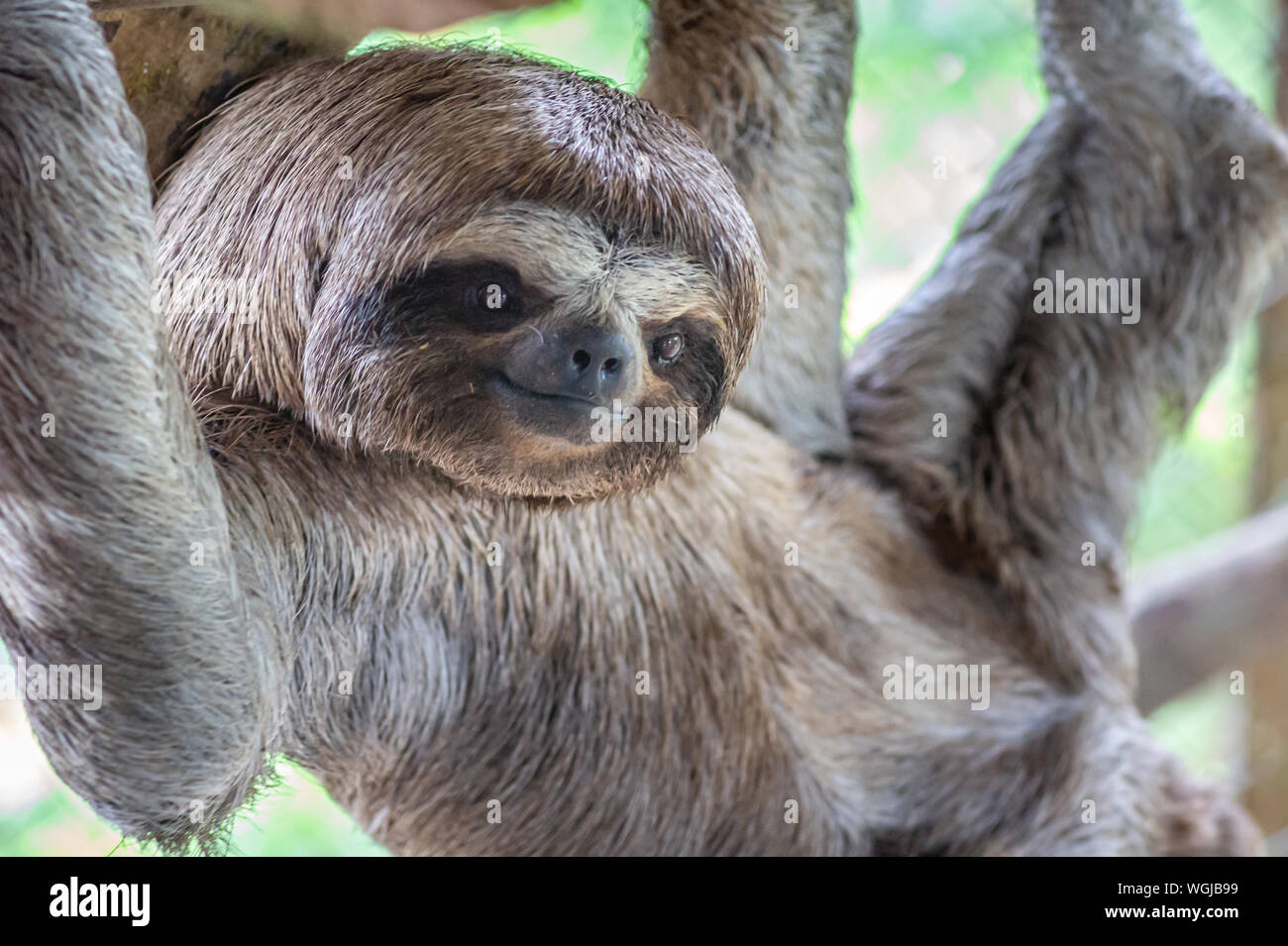
Sloths are notoriously lackadaisical animals and, for that reason, are often associated with laziness or stupidity. However, these cute little creatures have actually adapted to be slow in order to survive!

How Slow Are Sloths
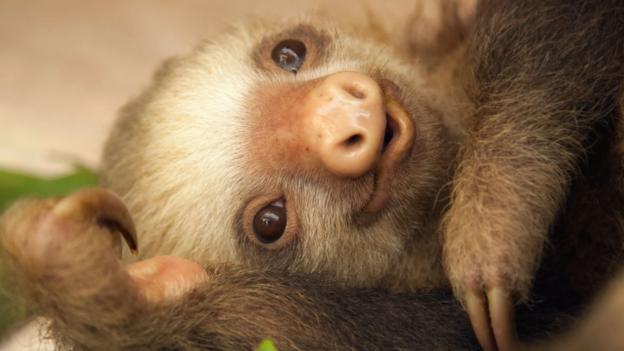
Sloths have an extremely low metabolic rate, leading them to crawl sluggishly through the trees. On average, they travel just 41 yards per day—less than half the length of a football field!
Because their leisurely lifestyle requires less energy, sloths can survive off very little food; this comes in handy when resources are scarce and eliminates the need to fight for food with hungrier animals.
Why Sloths Move Slowly
Moving slowly could pose an issue for those who need to run away from predators like jaguars and eagles, but sloths’ survival is entirely dependent upon camouflage. These animals dawdle so much that they actually grow algae on their fur, which in turn helps them blend into the greens and browns of the rainforest canopy.
Slow Sloth Video
Sloths may be sluggish, but they have spent over 60 million years perfecting their survival skills. Sometimes, slow and steady wins the race!