Occasional Sweating At Night
Posted : admin On 4/3/2022- Excessive Sweating At Night While Sleeping
- Occasional Sweating At Night
- Occasional Night Sweats Causes
- Night Sweating In Women
| Night sweats | |
|---|---|
| Other names | Sleep sweats, nocturnal hyperhidrosis |
| Specialty | Infectious disease, oncology |
Excessive sweating, Fatigue, Joint pain and Night sweats. WebMD Symptom Checker helps you find the most common medical conditions indicated by the symptoms excessive sweating, fatigue, joint pain and night sweats including Mononucleosis, Low blood sugar (hypoglycemia), and Medication reaction or side-effect. 'Night sweats can mean an infection such as tuberculosis or the flu, or it can be a sign of certain types of cancer such as lymphoma,' Garshick said. 'It can also be related to hormonal changes such as menopause or due to a medication.' Substance abuse and withdrawal can also lead to night sweats, she added. Sweating only occurs on one side.
Night sweats, or also referred to as nocturnal hyperhidrosis (Hyperhidrosis - a medical term for excessive sweating [1] + nocturnal - night) is the repeated occurrence of excessive sweating during sleep.[2] The person may or may not also perspire excessively while awake.
One of the most common causes of night sweats in women over 40 is the hormonal changes related to menopause and perimenopause.[3] This is a very common occurrence during the menopausal transition years. Over 80% of women experience hot flashes, which may include excessive sweating, during menopause. [4]
Night sweats range from being relatively harmless to a sign of underlying disease. Night sweats may happen because the sleep environment is too warm, either because the bedroom is unusually hot or because there are too many covers on the bed.[2] Night sweats have been associated with a long list of clinical conditions.[5] However, there is very little evidence that supports clinical recommendations for this condition.[5]
Associated conditions[edit]
The condition may be a sign of various disease states, including but not exclusive to the following:
- Cancers
- Lymphoma[6][7]
- Leukemia[6][7]
- Infections
- HIV/AIDS[6][8]
- Tuberculosis[6][7]
- Mycobacterium avium-intracellulare infection[6]
- Infectious mononucleosis[6]
- Fungal infections (histoplasmosis, coccidioidomycosis)[6]
- Lung abscess[6]
- Infective endocarditis[6]
- Brucellosis[9]
- Pneumocystis pneumonia (most often - in immunocompromised individuals)
- Endocrine disorders
- Menopause[10]
- Premature ovarian failure[6]
- Hyperthyroidism[6]
- Diabetes mellitus (nocturnal hypoglycemia)[6]
- Endocrine tumors (pheochromocytoma, carcinoid)[6]
- Orchiectomy[6]
- Rheumatic disorders
- Takayasu's arteritis[6]
- Temporal arteritis[6]
- Other
- Obstructive sleep apnea[6]
- Gastroesophageal reflux disease[6]
- Chronic fatigue syndrome[6]
- Granulomatous disease[6]
- Chronic eosinophilic pneumonia[6]
- Lymphoid hyperplasia[6]
- Diabetes insipidus[6]
- Prinzmetal's angina[6]
- Anxiety[6]
- Pregnancy[6]
- Drugs
- Antipyretics (salicylates, acetaminophen)[6]
- Antihypertensives[6]
- Anabolic–androgenic steroids, in particular trenbolone, and the nandrolones[6]
- Dinitrophenol - a common side effect
- Phenothiazines[6]
- Drug withdrawal: ethanol, benzodiazepines, heroin (and other opioids),
- Over-bundling[6]
- Autonomic over-activity[6]
- Inflammatory bowel disease (IBD) - Crohn's disease/ulcerative colitis
References[edit]
- ^'Hyperhidrosis - MeSH - NCBI'. www.ncbi.nlm.nih.gov. Retrieved 29 October 2020.
- ^ ab'Night sweats - Mayo Clinic'. www.mayoclinic.org. Retrieved 29 October 2020.
- ^T. F. Kruger; M. H. Botha (2008). Clinical Gynaecology. Juta and Company Ltd. p. 333. ISBN978-0-7021-7305-9.
- ^Bansal, Ramandeep; Aggarwal, Neelam (January–March 2019). 'Menopausal Hot Flashes: A Concise Review'. Journal of Mid-Life Health. 10 (1): 6–13. doi:10.4103/jmh.JMH_7_19. ISSN0976-7800. PMC6459071. PMID31001050.
- ^ abMold, James W.; Holtzclaw, Barbara J.; McCarthy, Laine (November–December 2012). 'Night sweats: a systematic review of the literature'. Journal of the American Board of Family Medicine: JABFM. 25 (6): 878–893. doi:10.3122/jabfm.2012.06.120033. ISSN1558-7118. PMID23136329. S2CID24179827.
- ^ abcdefghijklmnopqrstuvwxyzaaabacadaeafViera, Anthony J.; Bond, Michael M.; Yates, Scott W. (1 March 2003). 'Diagnosing Night Sweats'. American Family Physician. 67 (5): 1019–1024. PMID12643362. Retrieved 13 June 2012.
- ^ abcJonathan E. Teitelbaum; Kathleen O. DeAntonis; Scott Kahan (2004). In a page: Pediatric signs & symptoms. Lippincott Williams & Wilkins. p. 6. ISBN978-1-4051-0427-2.
- ^Tao Le; Vikas Bhushan (2006). First Aid for the USMLE Step 2 CS. McGraw-Hill Professional. p. 74. ISBN978-0-07-147058-2.
- ^'Night sweats : Causes'. Mayo Clinic. 22 March 2011. Retrieved 10 May 2012.
- ^Deecher, D. C.; K. Dorries (2007). 'Understanding the pathophysiology of vasomotor symptoms (hot flushes and night sweats) that occur in perimenopause, menopause, and postmenopause life stages'. Archives of Women's Mental Health. 10 (6): 247–257. doi:10.1007/s00737-007-0209-5. PMID18074100. S2CID21865706.
External links[edit]
| Classification |
|
|---|
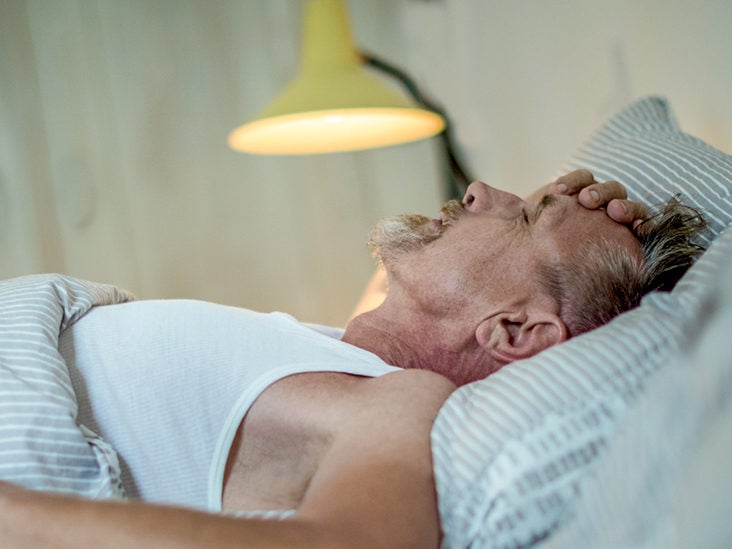
Elderly patients with overall body sweat
The situation of a gradual onset of unexplained total body sweat and not limited to the hands feet and armpit is common among elderly patients above their 50s. Most of the patients complaining about this are women that because of unknown reasons develop overall body sweating. They typically describe a situation where their head, scalp and the rest of their body parts are soaked wet minutes after they get out of the shower. Many of them describe other illnesses such as
- Diabetes
- Obesity and poor diet
- Multiple medication usage
- Back pain and or spinal surgeries
- Arthritic problems
- Smoking and or excessive alcohol usage
Excessive Sweating At Night While Sleeping
Also those patients describe multiple other ailments for which attempts were made to help them with medications, surgeries, which did not change their overall complaints with the sweating. Basically the situation is likely due to some imbalance between multiple body functions. It is a sign of the overall aging process where the machine of the body does not fire in the right sequence. A definite solution is not yet available and attempts should be made to restore a healthier way of life including.
- Overall much healthier diet
- Eliminate multiple medications usage
- Overall exercise & activity
- Non-smoking or excessive alcohol usage
Occasional Sweating At Night
Summary
To make the above mentioned clinical situations that were described one should understand that aging brings with it many symptoms that were unknown before. Those symptoms are not typical of focal hyperhidrosis for which a surgical treatment is available and the hallmark of this statement is the fact that all of those manifestations described above appeared around the 50s – 80s. For those patients the only possible approaches will be medications, diet changes and consultations with those physicians who are specialized in geriatric medicine.
Facial and Hair Sweating in the elderly
Occasional Night Sweats Causes
This is a fairly common complaint among elderly women and men alike. The majority of patients that complain about this issue are women. The prevailing notion is that it is related to hormonal imbalances. The exact definition for hormonal imbalance is still an unclear entity. Women may need hormonal replacement therapy but the best approach is to consult with a good internist or anyone who is an expert in geriatric medicine.
Night Sweating In Women
Hopefully this page helps those elderly patients to understand this yet to be solved issue.