Occasional Rapid Heart Rate
Posted : admin On 4/13/2022Supraventricular tachycardia (SVT) is a heart condition featuring episodes of an abnormally fast heart rate.
Your heart rate is affected by many factors, including age, general physical condition, aerobic conditioning, and altitude. Infants and children normally have a more rapid heartbeat than adults. A rapid heartbeat can also be caused by many diseases, disorders and conditions, such as heart disease, congenital heart defects, and hyperthyroidism. The normal heart averages between 60 and 100 beats per minute. When your heart beats faster than this, you have a condition called tachycardia. When your heart races, it’s working too hard.
What Causes Occasional Rapid Heart Rate
The heart will suddenly start racing, then stop racing or slow down abruptly.
Episodes can last for seconds, minutes, hours or (in rare cases) days. They may occur regularly, several times a day, or very infrequently, once or twice a year.
The heart rate may be as high as 250 beats per minute, but is usually between 140 and 180 (a normal heartbeat should be 60-100 beats per minute at rest).
Occasional Fast Heart Rate
What it means
- 'Supraventricular' means that the problem occurs in the upper chambers (atria) of the heart.
- 'Tachycardia' means an abnormally rapid heart rhythm.
What happens
When the heart beats normally, its muscular walls contract (tighten and squeeze) to force blood out and around the body. They then relax, so the heart can fill with blood again. This process is repeated for every heartbeat.
In SVT, the heart muscle is contracting so fast that it cannot relax between contractions. This reduces the amount of blood being pumped around the body, which can make you feel dizzy and short of breath.
You usually feel heart palpitations (noticeable heartbeats) and a fast pulse.
Why it happens
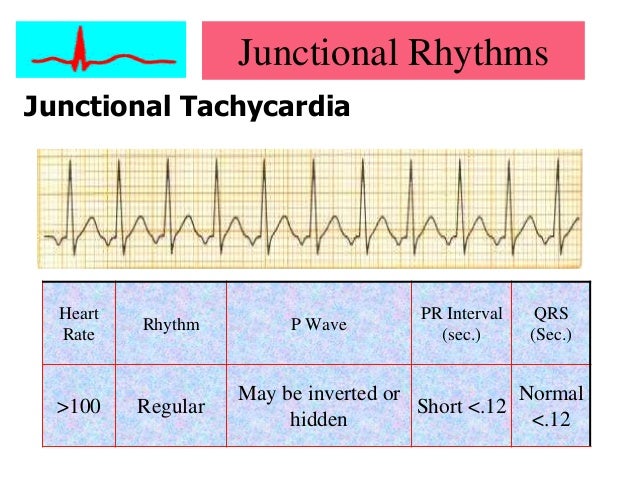
SVT is caused by abnormal electrical impulses that start suddenly in the upper chambers of your heart (the atria). These impulses override your heart's natural rhythm.
Causes Of Rapid Heartbeat
It is often a short circuit in the electrical system of your heart that causes these spontaneous impulses. The short circuit causes an electrical signal to travel continuously around in a circle. Each time the signal completes the circuit, the impulse spreads out to the rest of your heart, forcing it to beat rapidly.
SVT attacks often happen for no obvious reason. However, they may be triggered by a change in posture, exertion, emotional upset, coffee or alcohol.
Who is affected
SVT can occur in anyone at any age, but it often occurs for the first time in children or young adults.
Outlook
Sudden Rapid Heart Rate While Sleeping
In the vast majority of cases, attacks of SVT are harmless, do not last long and settle on their own without treatment.
Causes Of Accelerated Heartbeat
If necessary, SVT can be treated with drugs that correct the abnormal heart rate. It can also be permanently treated with a very effective surgical procedure called catheter ablation, which interrupts the abnormal electrical circuits.